Automotive
A Tier 1 stamping plant and a quick-lube bay share an industry and almost nothing else. One lives or dies by an OEM's pricing call, the other off an aging fleet. A dozen businesses, each on its own physics. Areté has operated inside all of them, and when the cycle turns, that is the difference.
Cyclical, Capital-Intensive, and Unforgiving to Anyone Who Hasn't Run It.
The American automotive industry runs on skilled hands and sharp minds, and it absorbs the macro cycle faster than almost any other sector. The operators who come out ahead are the ones who built cost flexibility and commercial discipline before the cycle demanded it. We have worked inside it — as Chairman, CEO, President, and CFO across the aftermarket, dealer and franchise networks, tire and service platforms, and tier supply.
We have also sat across the table from the manufacturers, lenders, sponsors, and creditors, and we know what each is weighing when value is on the line. When a segment tightens, we defend the margin; when it turns, we are positioned to take the upside. Few industries find a way to win like this one, and finding a way to win is what we do every day.
- Automotive Suppliers (Tier 1 & Tier 2)
Powertrain, electronics, interiors, and components. Cost-structure discipline, customer-concentration risk, and the commercial posture required to hold margin under OEM pricing pressure.
- Dealer Networks & Automotive Services
Franchised new-vehicle dealer groups and the service drive behind them. Store-level four-wall economics, F&I, fixed-ops (parts & service) margin, and the operational discipline behind same-store growth across consolidating markets.
- Automotive Aftermarket & Distribution
Parts, accessories, and the installed service that puts them on the car — distribution platforms alongside the independent repair, quick-service, and tire networks where product becomes recurring labor revenue. Category and private-label mix, inventory economics and fill rates, and the roll-up integration that builds fragmented operators into durable platforms.
- Commercial Vehicles & Heavy Equipment
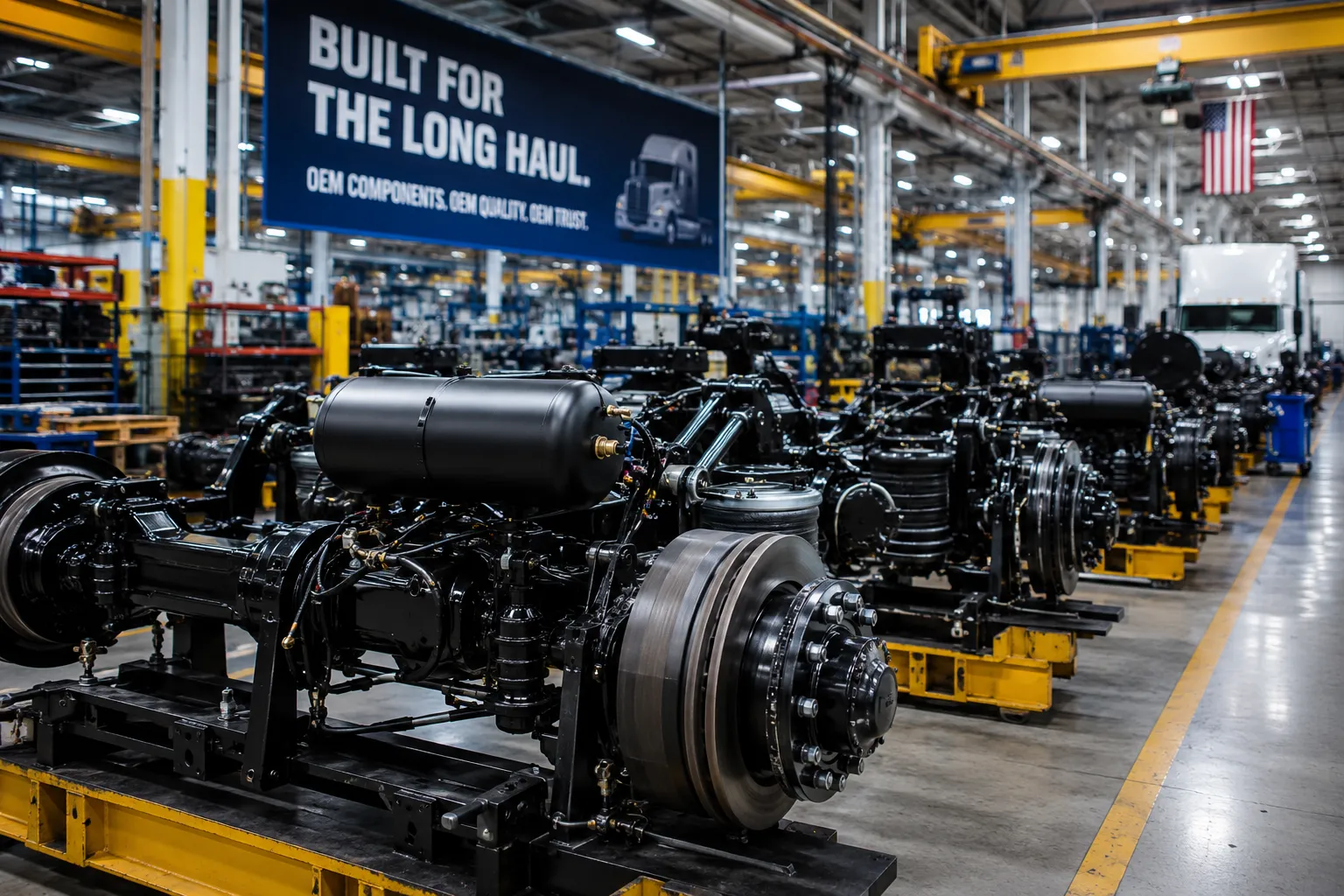
Class 7–8 trucks, trailers, construction and agricultural machinery. Long product cycles, freight-cycle sensitivity, dealer-network dynamics, and the parts-and-service aftermarket that compounds margin over the life of the asset.
The ROIC Scanner
Diagnostics for Automotive Value Creation
Zero Times a Multiple
Zero times any multiple is still zero. In distress, trailing EBITDA is a fiction, and the recovery decision keeps getting anchored to it. Distressed value is not a multiple of what a business just lost; it is the sum of what can still be recovered, lever by lever.

The Work in Practice
Protecting a Lender's Recovery Through a Chapter 11 Change of Control
100 Cents on the Dollar — and Not a Single Asset Sold
A Broken Thesis — and a Recovery of Sponsor Capital
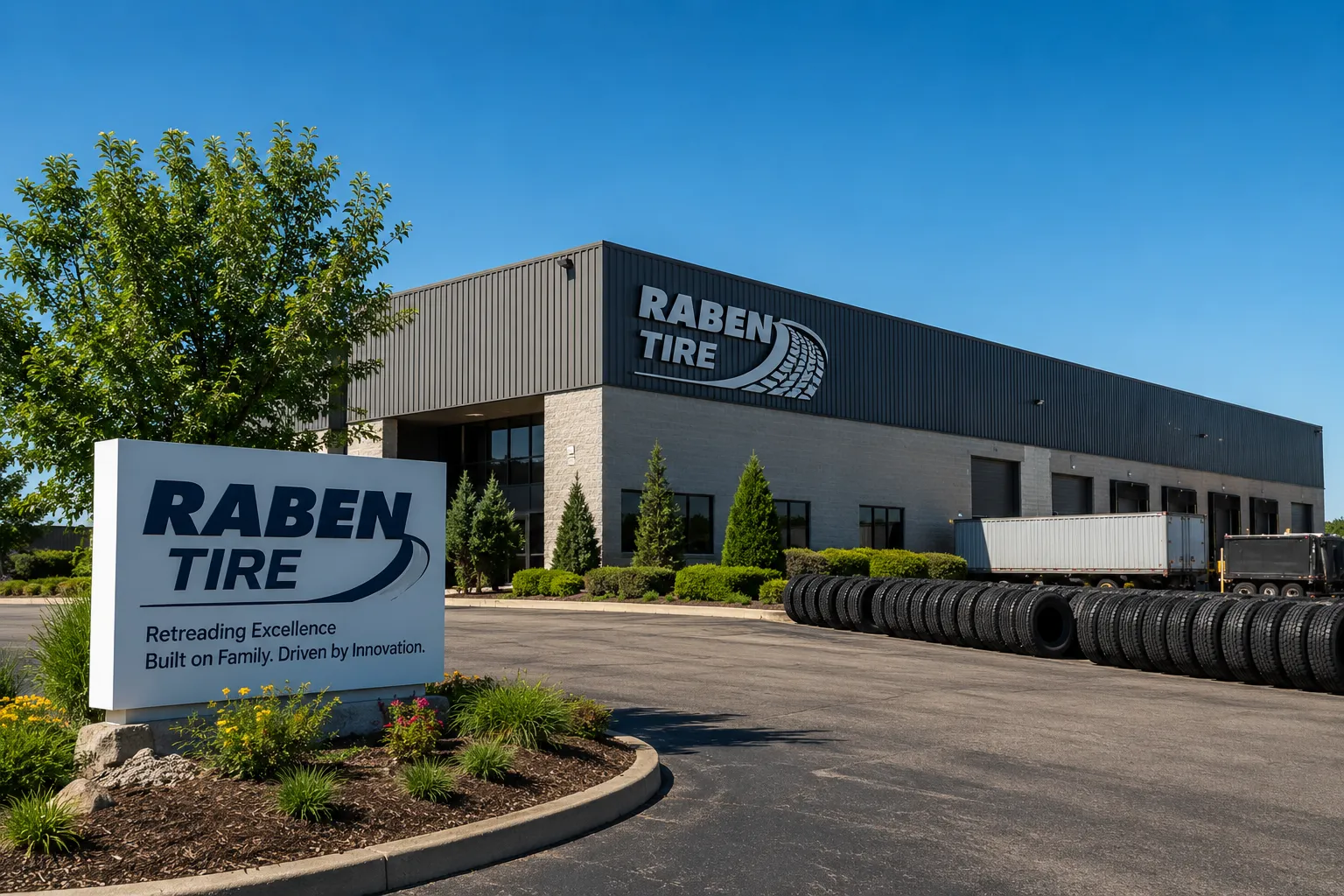
From Sub-Scale to Market Leader — 480% Revenue Growth in Three Years
The Leader Behind the Work
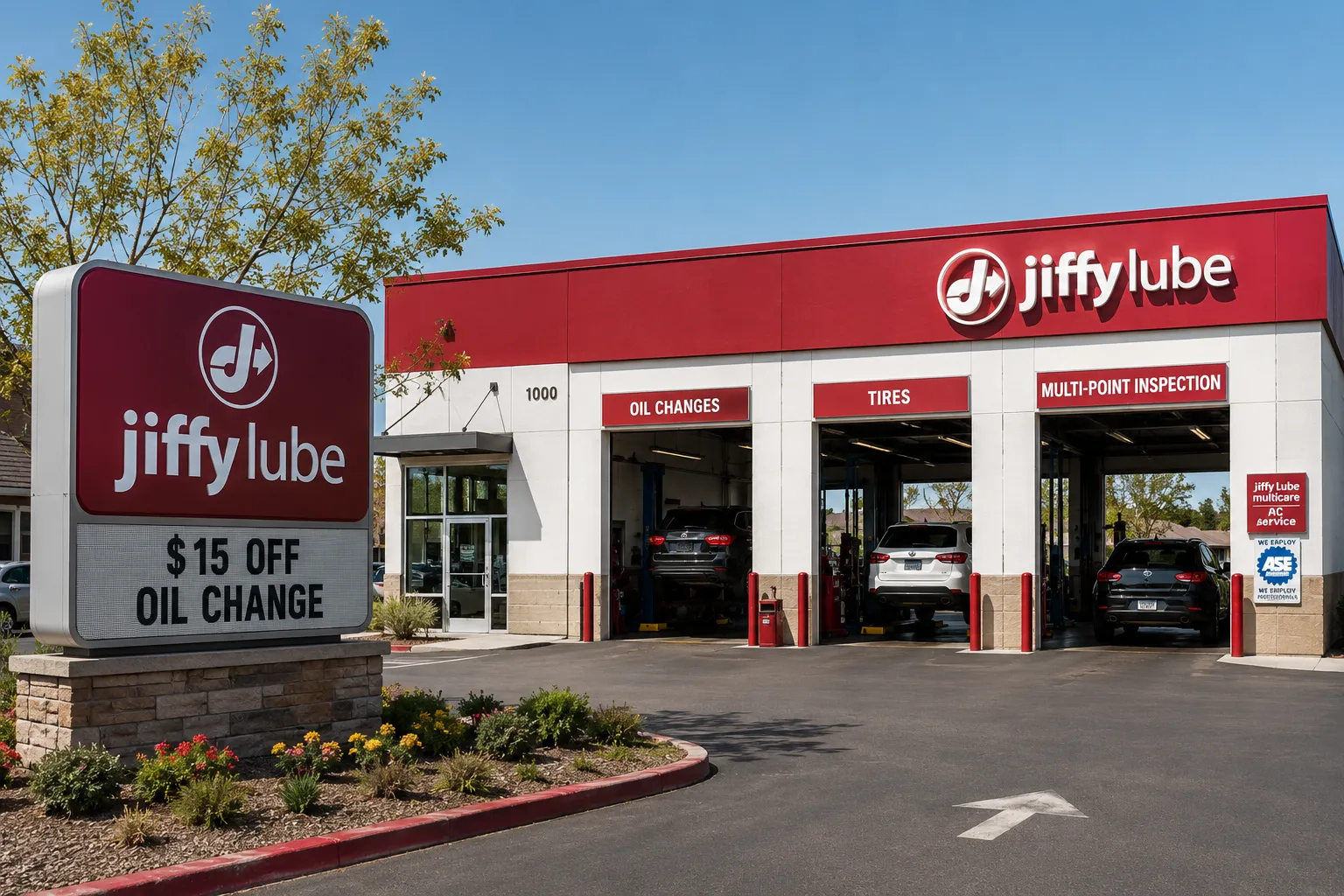
Eric has spent 40+ years across automotive, retail, and consumer products — as Chairman, CEO, COO, CRO, and CFO inside public, private, and PE-backed companies. He built Heartland Automotive Services into Jiffy Lube's largest U.S. operator and led its Ch. 11 reorganization with full creditor recovery and a 3X PE owner return, then ran Raben Tire as President through its sale to Goodyear. He's a subject matter expert in automotive aftermarket, dealer networks, and tier supplier economics.